How Ground-Mounted Solar Plants Are Ideal for Industrial, Commercial Application
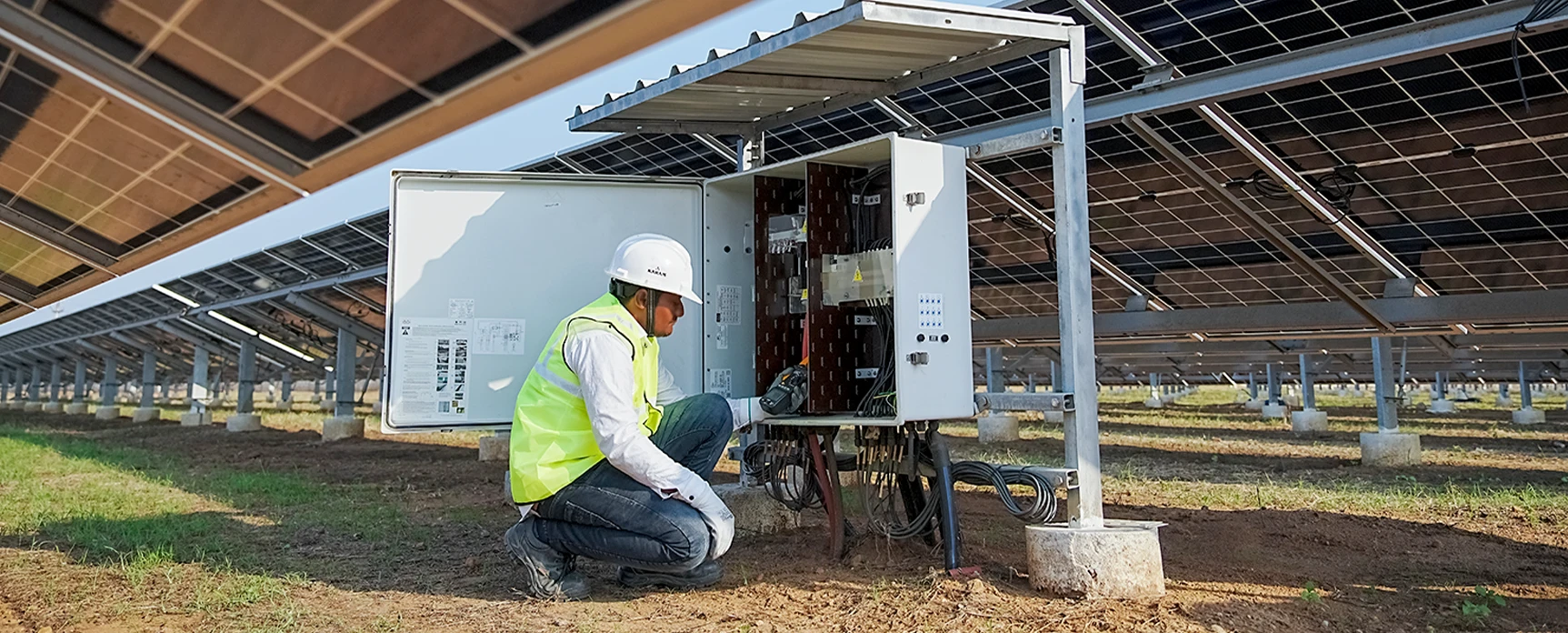
A few years ago, a plant head in Gujarat told us something that stayed: “I’m not chasing solar because everyone is talking about it. I’m chasing it because my energy bill is eating into every efficiency gain we make on the shop floor.”
Energy talks in factories these days could easily be mistaken for a boring business meeting. They are focused on the practical aspects, the figures, and most importantly, the reliability of the system. Moreover, they are very much intertwined with the concept of long-term planning. The transition to renewable energy is not a consequence of industries becoming unexpectedly sentimental towards nature. It is a result of the fact that energy prices, the unpredictability of the grid, and the reliance on diesel are making the daily operations less smooth.
Ground-based solar has quietly become one of the most dependable ways for industrial and commercial units to take control of their energy future. This blog breaks down how and why.
Introduction to Ground-Based Solar Systems
Industrial facilities rarely get the luxury of spare rooftop space or uniform roof quality. Many units operate out of older buildings where civil load limits make large solar arrays unfeasible. Ground-based systems fill this gap with a practical advantage: freedom of design.
Engineers can build layouts that maximize sunlight, tilt angles, maintenance access, and long-term performance. In a sector where every kilowatt matters, design flexibility directly translates into energy predictability. For industries that prefer something scalable, serviceable, and structurally independent of existing buildings, this model tends to fit well.
Benefits of Ground Mounted Solar Plant Systems for Industrial Applications
When industries consider ground mounted solar plant systems, they often do it with specific goals. The most common ones include predictable energy, long-term savings, and a system that does not interfere with ongoing operations.
Key advantages include:
Better orientation and tilt management for higher yield compared with constrained rooftops.
Integration with industrial solar energy systems, such as hybrid configurations, backup generators, or BESS.
Smoother O&M operations thanks to open access around the modules.
Scalability that matches future expansion plans rather than roof availability.
These aren’t abstract benefits; they show up in real internal dashboards as lower grid draw, reduced diesel hours, and improved energy planning throughout the year.
Cost-Effectiveness of Ground-Based Solar for Commercial Use
Commercial facilities make decisions based on payback and reliability. A well-engineered ground-based system typically offers strong value because:
Land allows optimized layout, which improves annual output.
The system can support high-efficiency photovoltaic systems.
Maintenance is simpler, reducing long-term overheads.
The plant can integrate with wheeling or open-access frameworks when located offsite.
When companies evaluate cost-effective solar energy options, two things matter most: generation and uptime. Ground systems tend to score well on both, especially when compared to diesel-based alternatives or volatile tariff structures.
They also pair well with renewable energy solutions that support long-term sustainability targets without compromising on day-to-day operations.
Ground Based Layouts and Energy Efficiency Optimization
Engineers appreciate the freedom to design what the land allows, not what a roof restricts. A ground-based layout supports energy efficiency optimization in several ways:
Spacing and shadow management can be fine-tuned for a higher CUF - Capacity Utilization Factor.
Modules stay cooler compared to rooftop systems, which boosts performance.
Minimal disruptions to factory workflow since no production space is disturbed.
Integration with large-scale solar plants becomes seamless because expansion doesn’t depend on buildings.
Commercial units that track PR (Performance Ratio) yearly often notice that properly designed layouts deliver consistent numbers despite seasonal variations.
Space and Land Utilization for Ground Based Solar Systems
Land remains a major decision point. Many industrial clusters have underutilized parcels, backyards, or non-operational spaces that bring no value to the business. Converting these areas into solar assets turns idle land into long-term savings.
Industries also have the choice of developing offsite models. These can be structured as industrial solar power projects under group captive or open access, depending on state policy. The advantage here is flexibility: the company generates its own power without compromising premium production land.
This is where scalable solar solutions matter. A system built on open land can grow as the business grows.
The Durability and Longevity of Ground-Based Solar Panel Installation for Industry
A ground system is built to last for decades. Components are anchored into soil or concrete, away from the thermal stress that rooftops endure. This improves the longevity of low maintenance solar systems.
Additional benefits include:
Better ventilation around the modules.
Simpler replacement cycles when modules or inverters need upgrading.
Higher structural stability since mounting systems are engineered without concerns about existing infrastructure.
From an operational standpoint, factories appreciate that maintenance does not require accessing production buildings or disturbing daily work.
Ground-Based Solar and Environmental Sustainability
Most organizations begin the decarbonization journey for economic reasons. But once savings start showing consistently, carbon footprint reduction becomes an additional outcome.
Ground systems support sustainable energy solutions more directly because:
They can be sized large enough to offset a significant share of annual consumption.
Their energy output is more predictable, improving sustainability reporting.
They pair easily with renewable energy solutions such as energy storage.
Industries focusing on ESG reporting often prefer this model because performance numbers stay consistent across seasons, simplifying disclosures and impact tracking.
Industrial and Commercial Deployments
GRPP has deployed several ground mounted solar power plant solutions across India, and the operational data offers clarity for buyers.
Multi-MW Industrial Cluster Deployment
In another project, GRPP designed a layout that balanced land contours, equipment placement, and maintenance pathways. The result was steady output across the year and a smooth O&M cycle for the client. The plant supported long-term commercial solar projects across the cluster without disruptions.
These examples reflect a pattern: when systems are engineered for the land and the business model, companies see both financial and operational benefits.
Planning Your Ground Mounted Solar Plant for the Long Term
Building a ground mounted solar plant isn’t just a construction project. It’s an energy planning exercise that affects production, budgeting, sustainability reporting, and future scalability. The most successful projects usually share a few traits:
Clear understanding of load patterns.
Honest feasibility assessments that include shading, soil, and seasonal variability.
Engineering that prioritises performance over visual appeal.
Contractors who know how to work around industrial realities rather than ideal conditions.
Industries that approach solar as a strategic asset, not a quick purchase, tend to get the best outcomes.
Closing Perspective
A ground-based solar system is not for companies chasing trends. It’s for organizations that want stability, predictable planning, and independence from rising power costs. For many industries, this model becomes the quiet backbone of long-term competitiveness.
GRPP’s work across industrial and commercial setups has shown one thing repeatedly: when a solar plant is designed honestly and engineered for your land and your load, the results speak for themselves.
Solar doesn’t need grand statements; it only needs clarity, good engineering, and a long view of what your business is becoming.


