Top Advantages of Implementing Turnkey Solar Power Solutions in 2026
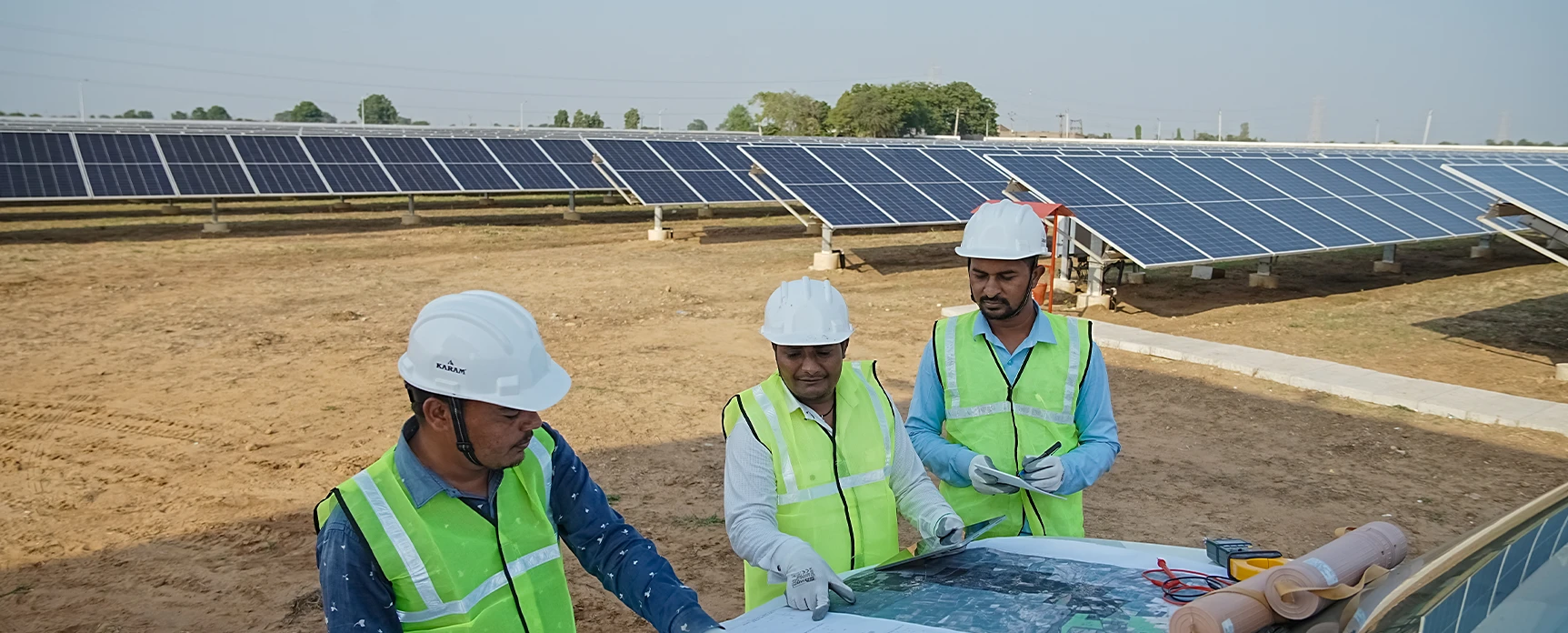
A factory manager once told us that shifting to solar felt less like an energy decision and more like trying to assemble a machine with half the parts missing and no manual. The intent was clear: save costs, gain predictability, and reduce dependence on grid volatility. The confusion came from the number of contractors involved, the back-and-forth on timelines, and the simple worry of “Who will take responsibility if something goes wrong?”
Across India, this is where most industrial teams stand today. They want solar. They know the economics make sense. But they also know the execution gap is real. And that gap is exactly why businesses are turning toward a single-point, accountable project model in 2026.
What Are Turnkey Solar Power Solutions?
Turnkey Solar Power Solutions refer to solar projects delivered end-to-end by one experienced EPC partner. Instead of coordinating separate vendors for design, civil work, procurement, erection, electrical integration, testing, and commissioning, the entire responsibility sits with one team.
A turnkey partner handles:
Feasibility and site assessment
System design and engineering
Procurement of panels, inverters, structures, and cables
Solar panel installation with quality controls
Electrical integration and safety checks
Performance testing and handover
Training and documentation
Long-term O&M where required
This method brings down the doubt factor and consolidates each aspect of solar project management under one responsible authority.
The Rising Need for Solar Power in 2026
One cannot overlook the two realities that grid power costs keep on escalating, and the need for dependable, renewable energy sources is not only the concern of sustainability departments but also that of the entire management.
Three trends are very visible in 2026:
Higher daytime energy demand across manufacturing and processing units.
Accelerated adoption of photovoltaic systems as states revise policies for captive and open-access solar.
Large factories are planning not just for cost savings but for solar system reliability over 25 years.
The Indian solar market is now mature enough for industries to expect more than just generation. They want predictable integration, dependable support, and clear accountability.
Cost Savings with Turnkey Solar Power Solutions
Solar’s cost advantage is well-known. What’s less discussed is how the wrong execution model can dilute those savings.
A turnkey format helps lower costs by:
Avoiding duplicate vendor margins
Preventing design errors that reduce output
Ensuring procurement from reliable manufacturers
Reducing delays that impact financial payback
Achieving better energy efficiency optimization through coordinated engineering
For factories working at tight operating margins, even a 1 to 2 percent generation improvement over the year can translate to a meaningful financial impact.
Many industrial facilities today are mapping solar alongside long-term capex planning. Turnkey execution allows them to forecast operational expenses with higher confidence.
Streamlined Project Management Through Turnkey Solar Solutions
When multiple contractors work on a project, coordination becomes the factory's responsibility. Misalignment between civil teams, electrical teams, and integrators can lead to rework, safety issues, and schedule overruns.
A turnkey execution model simplifies this.
One partner handles design, procurement, installation, and quality.
One project manager tracks timelines and approvals.
One documentation process ensures compliance.
One point of accountability reduces risk.
For busy plants already juggling production schedules, safety protocols, and audits, this integrated structure removes a significant operational burden.
This is also why large solar energy projects in industrial clusters prefer turnkey models: the clarity is worth more than the technical jargon.
Enhanced Efficiency and Reliability with Turnkey Systems
Efficiency is not just about panel wattage. It comes from the way the entire system is designed and installed.
Turnkey execution improves reliability by:
Matching inverter capacity with plant load patterns
Ensuring structures withstand high wind zones
Optimizing tilt and spacing for local geography
Reducing internal energy losses
Integrating monitoring systems for quick diagnostics
As industries demand more cost-effective solar solutions, the reliability advantage stands out. Over 25 years, even minor improvements in performance ratios add up.
GRPP’s experience working with manufacturing units has shown that well-engineered systems deliver smoother integration with existing electrical infrastructure, which directly reduces downtime.
Quick Implementation and Faster ROI with Turnkey Solutions
Speed matters. A delayed project doesn’t just push back generation; it affects the ROI clock.
With a single partner managing procurement, engineering, installation, and commissioning, projects move faster. Materials arrive on time. Workflows follow a sequence. Safety is consistent across teams.
For factories expanding production lines or gearing up for seasonal demand cycles, this timely execution is crucial.
One example: GRPP’s deployment for SmartFoil Packaging. The factory required a solar setup that aligned with their production ramp-up plan. Coordinated engineering and fast-track installation allowed them to hit their operational milestones without compromise.
When solar goes live at the right time, savings start earlier. And that shortens the payback period naturally.
Sustainability and Environmental Benefits of Turnkey Solar Solutions
Most industrial leaders today view sustainability through a business lens, not a branding one. Lower emissions often align with lower costs and long-term resilience.
A turnkey solar model helps industries accelerate:
Carbon footprint reduction
Renewable energy adoption across operating units
Integration of sustainable energy systems without disrupting operations
As more companies align with national and global climate goals, turnkey partners simplify planning and reporting by delivering clean generation data directly from the system.
Factories adopting commercial solar solutions and industrial solar solutions benefit from smooth, predictable installation and performance.
Why Turnkey Solar Power Solutions Are Ideal for Businesses in 2026
2026 is shaping up to be a year when industries consolidate their energy planning. Many companies that experimented with distributed contractors earlier are now shifting to integrated EPC partners because:
Policies are clearer
Solar technology is more standardized
Businesses expect accountability across the lifecycle
Hybrid systems and BESS are becoming more relevant for round-the-clock operations
With rising grid tariffs and tighter sustainability mandates, the clarity of turnkey execution helps companies step into solar without hesitation.
It brings together engineering, economics, and on-ground responsibility in a way that aligns with how Indian industries operate.
Reflection on the Road Ahead
Every industrial facility is trying to make sense of the same set of questions: How do we reduce energy volatility? How do we plan for long-term stability? And who can we trust to execute a project that must work for 25 years?
A turnkey approach doesn’t remove these questions, but it brings order, predictability, and confidence. It gives businesses the comfort of dealing with one responsible partner rather than a maze of contractors.
As industries invest in renewable energy solutions at scale, the most valuable asset is clarity. And in that clarity, the right execution partner quietly becomes part of the factory’s long-term energy story.
In the coming years, the companies that treat solar not as a purchase but as an ongoing relationship will see the greatest stability and value. Turnkey execution simply makes the path smoother.
If you're evaluating solar for your facility, it helps to think about not just panels and inverters but the way the entire project will live and operate on your land for decades. That's where the right partner makes all the difference.


