Key Differences Between Turnkey Solar Solutions vs Traditional Installation
Factories do not consider energy as an abstract thing. They basically think in terms of their shutdown hours, diesel backups, tariff shocks, and monthly bills that just never seem to behave. Solar came into the industry conversation for most of Indian industries not as a sustainability badge but as a survival decision.
Yet when a plant head starts exploring solar, the confusion begins quickly. Some vendors talk only about panels and inverters. Others promise to “handle everything.” Timelines blur. Responsibility fragments. And somewhere in between, the project risks landing on the factory’s shoulders.
In practice, not just theory, the difference between a turnkey installation and one that is conventional, clearly, is critical on actual land, with the production schedule under threat.
Making Sense Of Turnkey Solar Power Solutions And Their Functionality
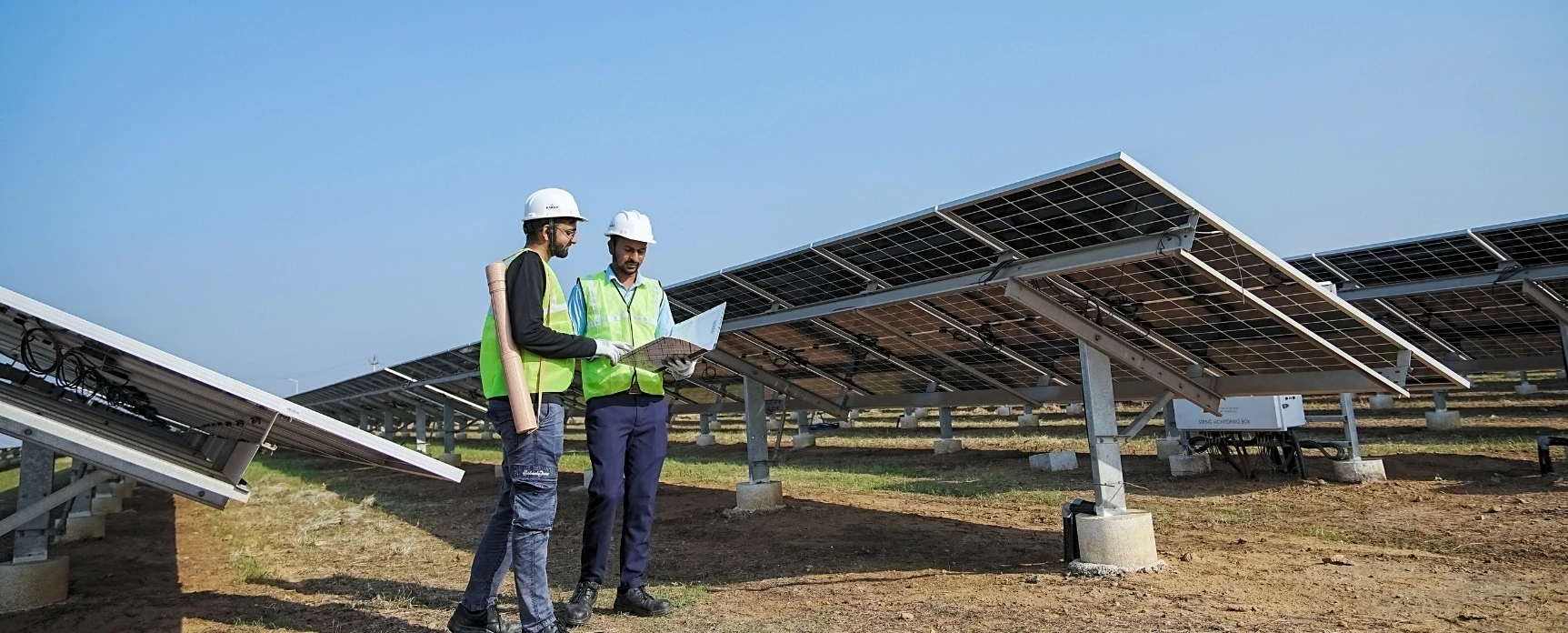
In a turnkey project, a single partner is responsible for the entire solar energy plant project from beginning to expecting long-term functionality.
That means the same team handles:
Site assessment and feasibility, including land grading and access
Engineering and layout design based on generation targets
Procurement of modules, structures, and electrical equipment
Construction, commissioning, and grid coordination
Performance monitoring and solar operations and maintenance after commissioning
For the factory or industrial unit, the experience is closer to handing over a problem and receiving a functioning asset. There is one accountable entity, one execution logic, and one outcome to measure.
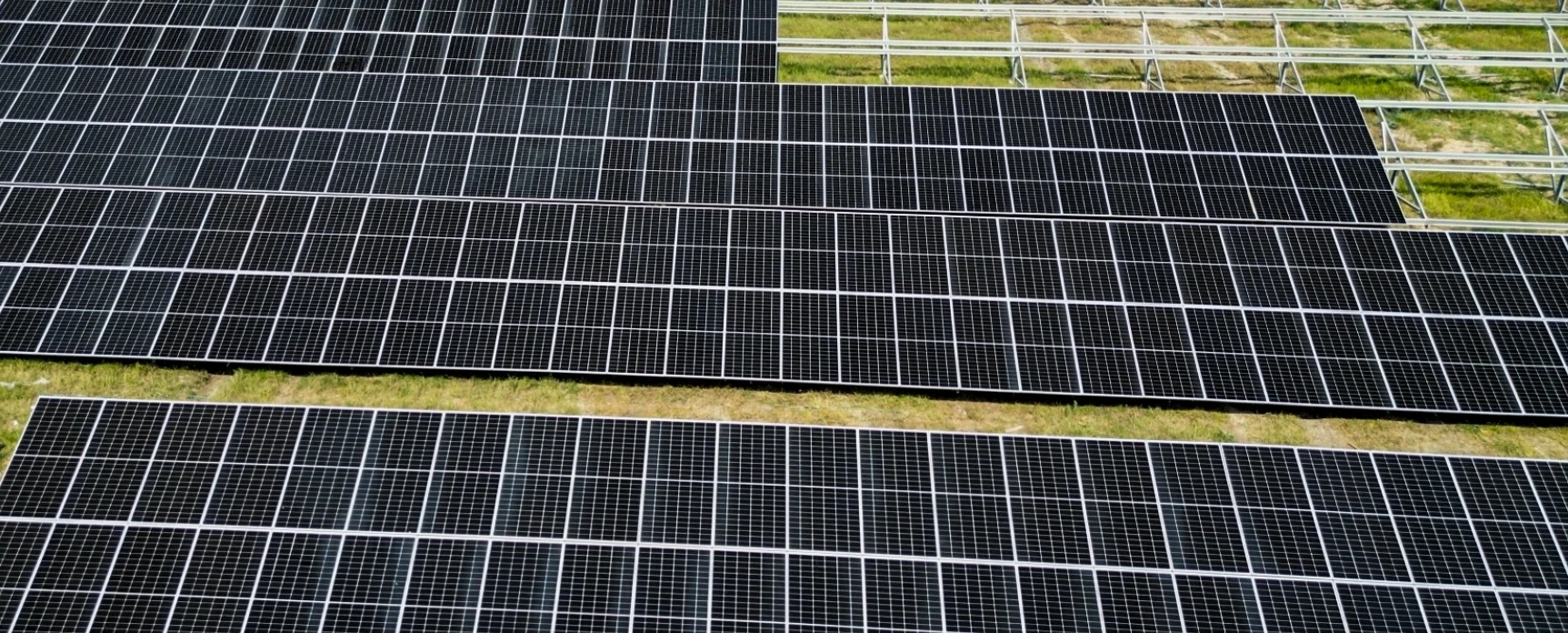
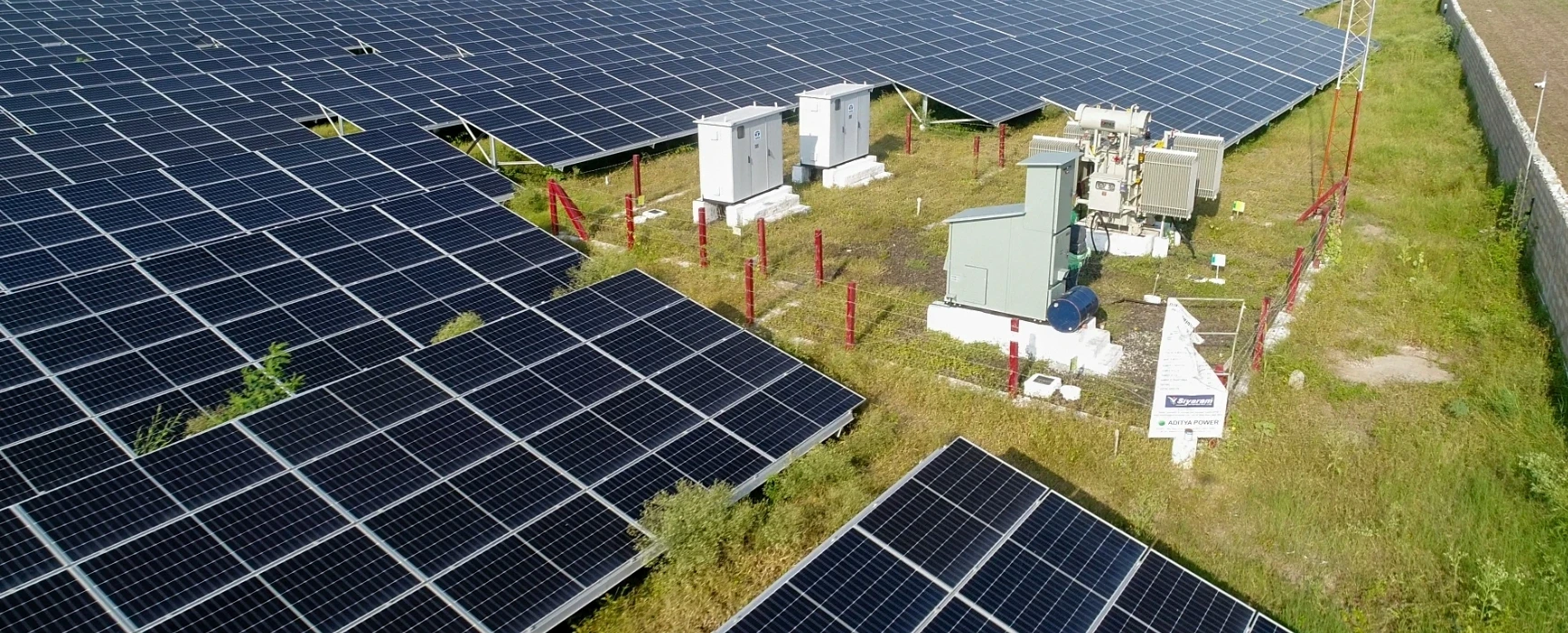
This approach is especially relevant for a ground mounted solar power plant, where civil work, electrical design, and grid synchronization must move in step. A delay or error in one layer can stall the entire site.
What Are Traditional Solar Installations?
Traditional installation models split responsibility across multiple parties. One firm designs. Another supplies equipment. A third executes civil work. Someone else handles approvals or evacuation lines.
On paper, this looks flexible and sometimes cheaper. In practice, it often means:
Multiple contracts with overlapping scopes
Finger-pointing when timelines slip
Design decisions made without execution feedback
The factory team stepping in to coordinate vendors
This model may work for small or standardized setups. But at an industrial scale, especially where production cannot pause, coordination risk grows fast.
When evacuation approval delays commissioning or civil work mismatches electrical layouts, the cost is not just financial. It is a lost generation and operational stress.
Key Differences Between Turnkey Solar Solutions and Traditional Installation
The difference is not about who installs panels. It is about how risk, time, and accountability are distributed.
Ownership of outcomes: A turnkey partner owns performance. In traditional setups, responsibility is fragmented.
Design to execution continuity: When the same team designs and builds, layouts reflect ground realities. Traditional models often suffer from “paper-perfect” designs that struggle on site.
Decision speed: With one accountable partner, changes are resolved quickly. Multi-vendor models slow down every adjustment.
Project visibility: Clear milestones and a defined solar plant execution timeline are easier to maintain under a single EPC structure.
Cost, Timeline, and Risk Comparison: Turnkey Solar Solutions vs Traditional Installation
Many industries assume traditional installations are cheaper. The number on paper sometimes supports this. The final outcome often does not.
Cost clarity: A turnkey solar project cost is defined upfront. In fragmented models, variations emerge through scope gaps, rework, and coordination delays. These rarely appear in the initial quote.
Timeline reliability: Solar EPC solutions are built around integrated scheduling. When civil, electrical, and grid teams move separately, delays compound.
Risk exposure: Solar project risk management is the real differentiator. Weather disruptions, supply delays, and site constraints are easier to absorb when one entity plans across disciplines.
Solar EPC cost should never be viewed in isolation. Industries benefit more from predictable returns than marginal upfront savings.
Why Industries Prefer Turnkey Solar Solutions for Large-Scale Projects
Large manufacturing units operate on thin margins and tight schedules. Energy decisions must reduce volatility, not introduce it.
Industries increasingly prefer turnkey execution because:
Internal teams remain focused on core operations
One solar EPC company coordinates approvals and utilities
Performance responsibility does not shift post-commissioning
Long-term generation aligns better with financial projections
This is why many steel, textile, ceramic, and chemical units work with a solar power plant company that understands industrial realities, not just equipment specifications.
How Green Revolution Power Park Delivers Turnkey Solar Solutions in India
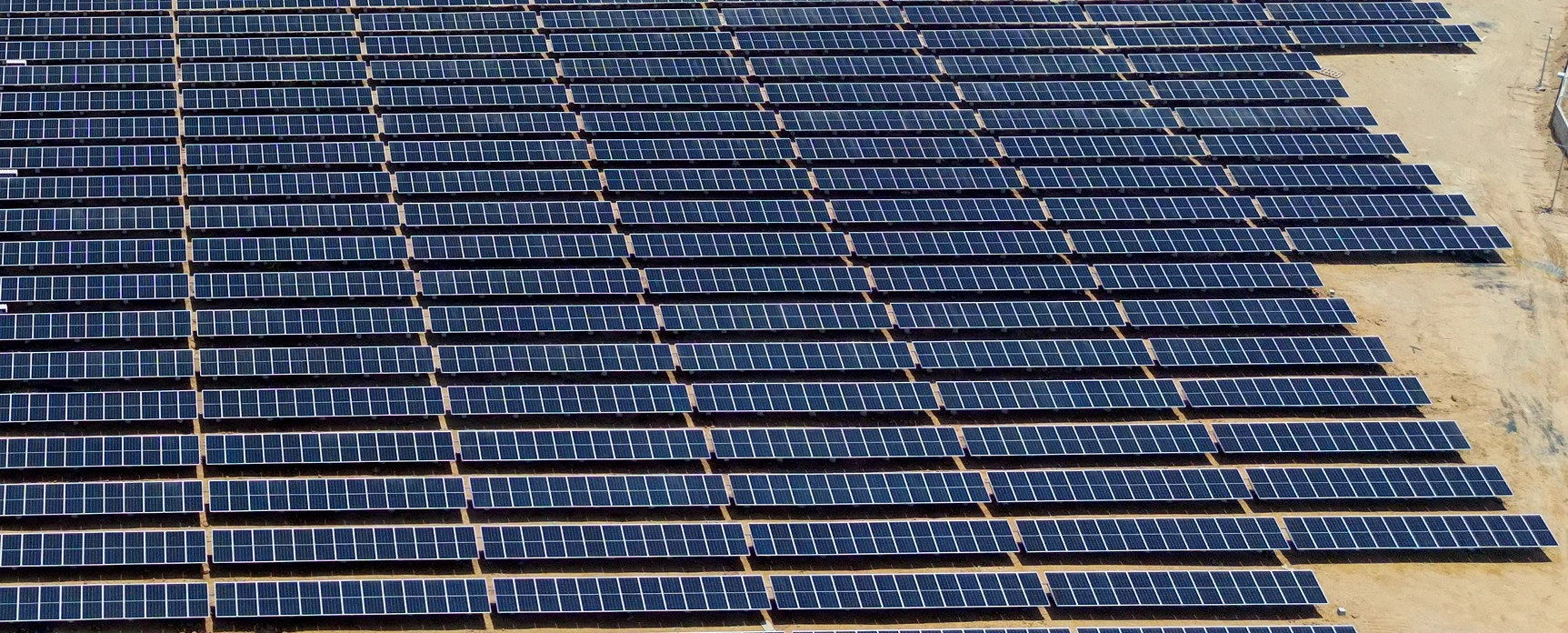
Green Revolution Powerpark works across India as a solar plant company in Gujarat and beyond, focused on industrial-scale, ground-mounted installations.
Their method is intentionally practical:
Projects begin with feasibility grounded in site constraints, not optimistic assumptions
Engineering decisions reflect soil conditions, logistics, and maintenance access
Procurement prioritizes reliability over short-term savings
Commissioning is planned backward from grid readiness, not construction completion
On GRPP’s project pages, you will see installations built on uneven terrain, active factory zones, and remote industrial corridors. These are not brochure sites. They are working plants.
As a solar power plant company, GRPP also stays involved after commissioning. Solar operations and maintenance are treated as a performance discipline, not a checklist. This end-to-end ownership is what separates execution from installation.
A Practical Industry Scenario
Consider a ceramic manufacturer expanding capacity in western India. Land is available, but grid coordination is complex. Production downtime is not an option.
In a fragmented model, delays in evacuation approval could idle the site. In a turnkey structure, design, approvals, and construction move in parallel. The plant synchronizes when promised, not when paperwork finally clears.
This is where end-to-end solar EPC solutions earn their value. Not in marketing claims, but in avoiding disruption.
Choosing Between the Two: A Final Reflection
Turnkey solar solutions last 25 years. Vendor decisions last much longer.
Before choosing a model, industries should ask:
Who carries performance responsibility after commissioning?
Who absorbs delays caused by approvals or site constraints?
Who plans the plant as a living industrial asset, not just an installation?
Turnkey solar solutions are not about convenience. They are about clarity. When energy planning is done with accountability, patience, and respect for ground realities, solar stops being a project and becomes infrastructure. That is the difference industries are really choosing.