Common Mistakes to Avoid When Hiring a Solar Plant Installation Company
In many Indian factories, the first conversation about solar starts with an electricity bill lying open on a desk. The numbers feel unfair. Demand charges keep creeping up. Power cuts interrupt shifts. Diesel backups burn money quietly.
Solar enters the discussion not as a trend, but as a practical question: Can we make our power more predictable and affordable without disrupting operations?
The answer often depends less on solar technology and more on who does solar power plant installation. A poorly planned project can lock a business into years of under performance. A well-executed one quietly saves money every day.
Here are the most common mistakes industries make while selecting a partner, and how to avoid them before concrete is poured and panels are fixed.
1. Choosing a Solar Plant Installation Company Without Proper Research
Many decisions begin with a quick online search or a referral from a vendor who “knows someone.” That shortcut can cost years of lost generation.
A credible solar plant installation company should be evaluated beyond brochures and pitch decks. What matters is how they assess land conditions, grid availability, evacuation feasibility, and long-term performance.
Before shortlisting anyone, verify:
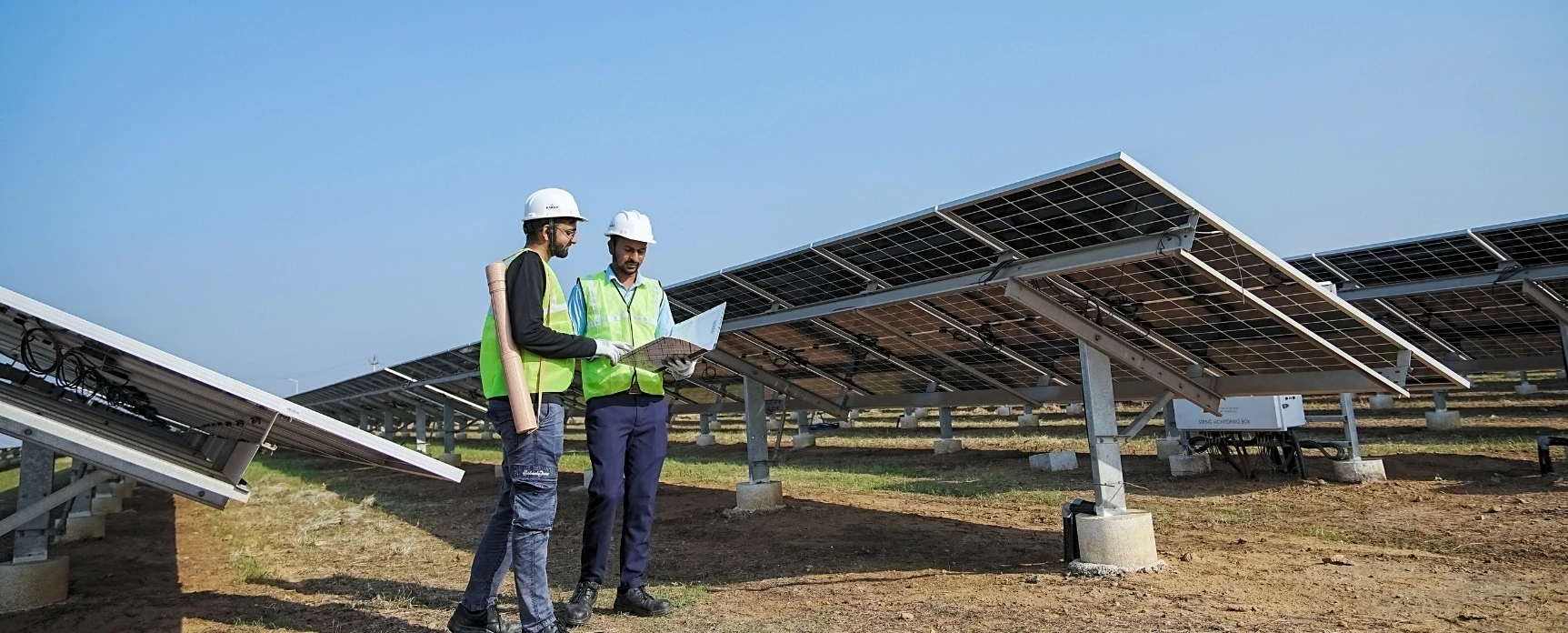
Whether they visit the site personally before finalising layouts
How they calculate generation estimates and assumptions
If they explain constraints instead of glossing over them
Solar projects fail most often not because of equipment, but because early decisions were rushed.
2. Ignoring Company Experience and Industry Certifications
Not all solar experience is equal. A vendor who has installed small systems may struggle with industrial-scale execution. Large projects bring challenges around coordination, safety, scheduling, and grid integration.
Look for:
Demonstrated experience in commercial solar plant installation and large industrial facilities
Engineers who understand plant operations, not just drawings
Valid electrical safety certifications and statutory compliance knowledge
A seasoned industrial solar installation company plans for real conditions: heavy machinery movement, dust, heat, monsoon access, and shift schedules.
3. Focusing Only on Low Cost Instead of Quality and ROI
The lowest quote often hides the most expensive outcomes. Inferior structures, undersized cables, and rushed installation reduce output quietly.
Instead of asking “What is the cheapest system?”, ask:
What performance ratio is realistically achievable at this site
How degradation and downtime are accounted for
What the payback looks like over 20 to 25 years
A reliable solar power solutions provider talks in terms of lifecycle value, not just capital cost.
4. Not Checking Past Projects and Client Reviews
Every EPC claims experience. Few show it transparently.
Ask to see:
Operational plants, not just completed ones
Sites with similar terrain or industrial loads
Clients willing to share feedback after one or two years of operation
A capable solar panel installation company stands by its work long after commissioning, when real performance data starts telling the truth.
5. Overlooking EPC Capabilities and Turnkey Execution
Solar projects involve far more than installing panels. Civil work, electrical engineering, grid coordination, safety protocols, and commissioning timelines must align perfectly.
A fragmented approach increases risk. A single-point-responsibility solar EPC company reduces confusion and delays.
With turnkey solar plant installation, accountability is clear:
One team manages design, procurement, execution, and commissioning
Fewer hand offs mean fewer failures
Decisions stay aligned with long-term performance
This structure matters especially when timelines are tight and production losses are costly.
6. Ignoring Warranty, Maintenance, and After-Sales Support
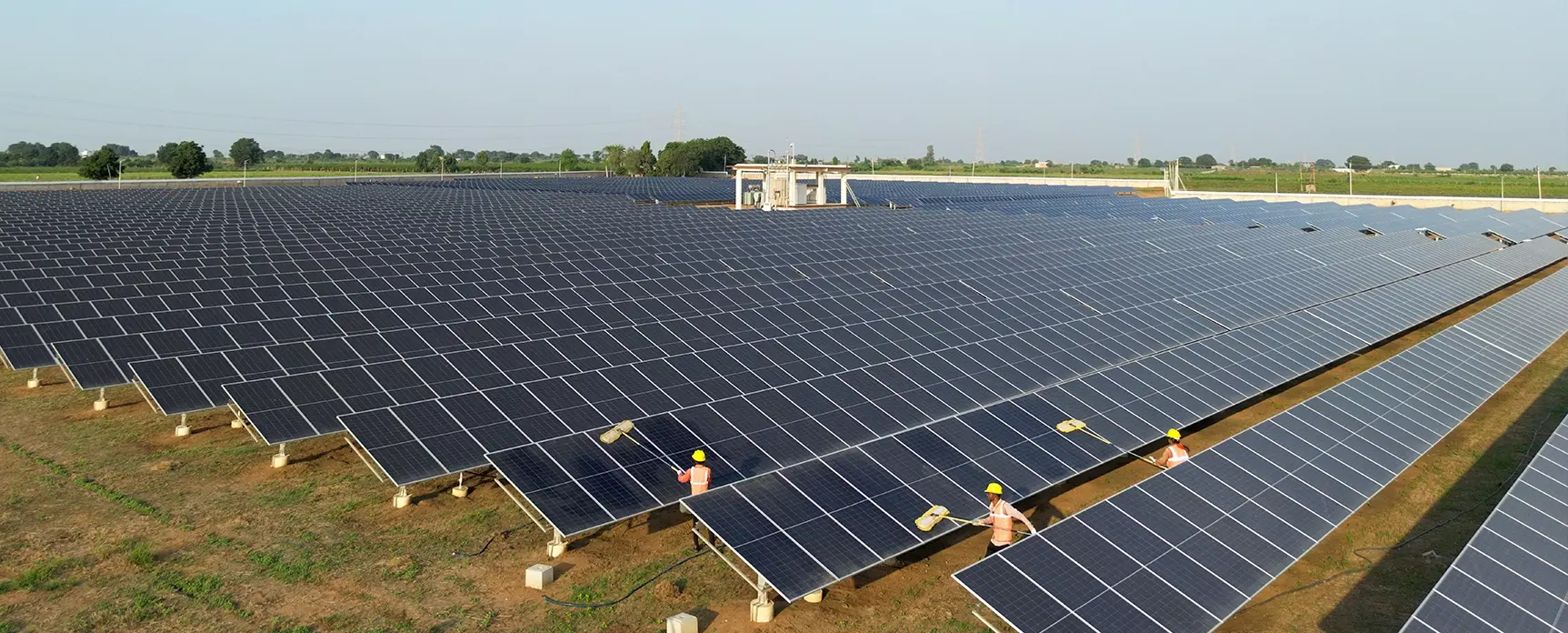
A solar plant is not a “set and forget” asset. Dust accumulation, cable faults, inverter errors, and grid issues can erode output if not addressed promptly.
Before signing, understand:
Equipment warranties and what they truly cover
Response timelines for fault resolution
Whether performance monitoring is included
Strong solar energy installation services focus as much on what happens after commissioning as before it.
7. Not Understanding the Technology and Components Used
You don’t need to be an engineer to ask the right questions. But you do need clarity.
Ask your partner to explain:
Why specific modules and inverters are selected
How string design impacts losses
The protections that exist for electrical fluctuations due to voltages
The on-grid solar plant installation will be highly reliant on the grid's constant stability and evacuation plan; on the other hand, off-grid solar plant installation will require careful sizing to eliminate the possibility of depletion.
The Provider of solar system installation services will provide the pros and cons of the product in an open and forthright manner.
8. Ignoring Safety Standards and Approvals
Delays from missing approvals and unsafe work practices could result in cessation of operations and possible penalties.
Ensure your renewable energy installation company handles:
Electrical inspector approvals
Grid connectivity permissions
Safety training and on-site protocols
Compliance is not paperwork. It is operational insurance.
Learning from the Ground: What Real Projects Teach
At Green Revolution Powerpark, several industrial projects revealed a common pattern. Sites with uneven land, restricted access, or delayed evacuation lines required design flexibility rather than rigid templates.
In one industrial installation, layouts had to be reworked mid-way due to soil conditions and access constraints. The project stayed on schedule because planning allowed room for adjustment instead of forcing assumptions onto the site.
Paperwork-based vendors are distinguished from construction partners who evolve with the land, rather than try to fight against it.
Closing Take
Creating a Solar Plant is much more than just lowering your electric bills. A Solar Plant creates an entirely different plan for planning energy in future years. A bad Partner develops a plan for its client with complete disregard for any long-term inefficiency built into it and creates concrete and steel structures that reflect those inefficiencies. A good partner creates sustainable infrastructure that is built on quiet reliability.
Any reputable solar plant installation company will pose some challenging questions to you, in addition to identifying risks upfront, and will not accept any shortcuts that could impair your ability to achieve maximum output over time.
If any Proposal that you receive appears to be a no-brainer, don't be surprised if it overlooks significant, critical factors.
Industrial energy decisions deserve patience, clarity, and grounded expertise. When those are present, solar stops being a risk and starts becoming what it should be: dependable power that works every day, without drama.