The Rising Importance of Renewable Solar Energy in India’s Energy Transition
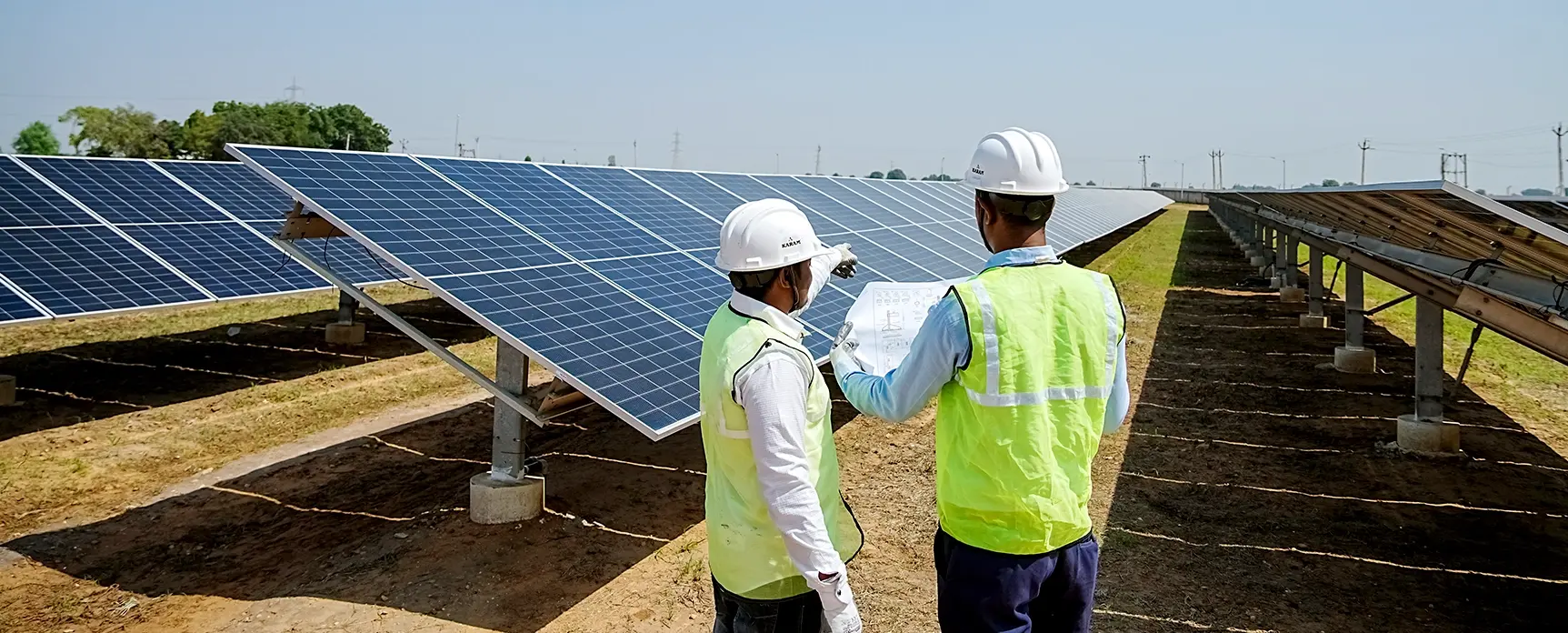
At many industrial sites across India, energy decisions are no longer made in boardrooms alone. They happen on factory floors when machines slow down during peak hours. They happen in finance reviews when power bills spike without warning. They happen during expansion planning when the question quietly appears: Can the grid keep up?
For years, energy was treated as a fixed input. You paid the bill. You planned around outages. You absorbed volatility. That mindset is breaking down. Rising demand, grid pressure, and climate responsibility have pushed industries to look harder at sustainable power generation.
Solar energy has moved from being an “alternative” to becoming a serious industrial consideration. Not because it sounds good, but because it works on real land, under real operating conditions, for real businesses.
Understanding Renewable Solar Energy in India
Renewable solar energy in India has grown beyond pilot projects and policy experiments. It now sits at the core of long-term power planning for many industries.
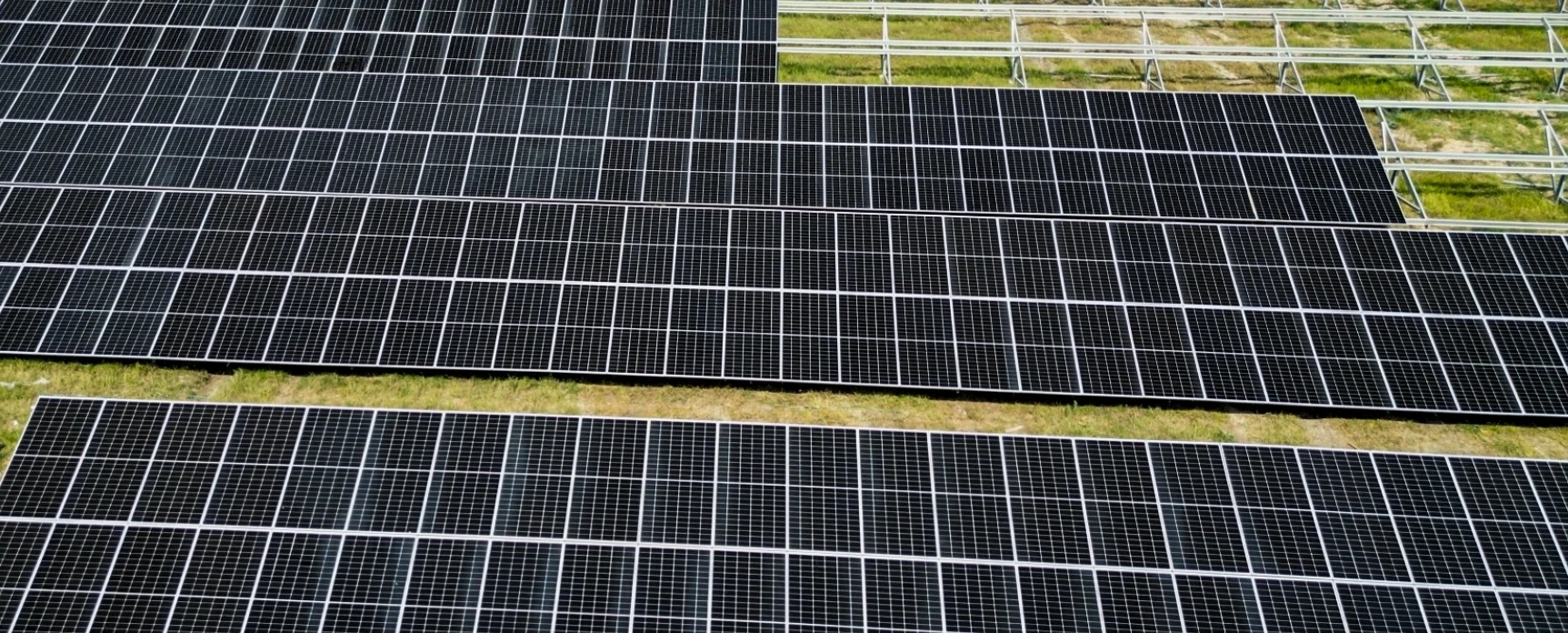
In the most basic sense, solar energy is generated from sunlight and converted into electrical energy using photovoltaic systems. This technology is valuable to industry because of its scalability. Large solar PV systems can provide a continuous source of energy to meet the demand for electricity during normal working hours, decrease the risk associated with variable grid-cost pricing, and allow for long-term forecasting of energy pricing.
In addition, unlike conventional energy sources derived from fossil fuels, there are no issues with fuel costs being affected by fluctuations in prices or unexpected logistical challenges with fuel delivery. Once a plant is built and commissioned, the primary variables are sunlight availability and system performance. Both can be measured, planned, and engineered around.
For industrial users, this shift is not ideological. It is operational.
India’s Solar Potential and Geographic Advantage
Because of its geographical position, India is uniquely positioned for solar energy production. Throughout much of the year, the majority of India has abundant sunshine, which provides an advantage for utilising solar energy in many areas. Solar farms are highly beneficial in states like Gujarat and Rajasthan and in some areas of central India because these states have an exceptionally sunny climate throughout most of the year.
This geographic advantage matters because industrial energy planning depends on predictability. A solar plant designed for Indian conditions can deliver stable output over decades if site selection, design, and execution are done properly.
Large factories and industrial clusters often sit near available land or have access to open-access frameworks. Thus, it is now possible to think of utility-scale solar projects as practical solutions as opposed to only theoretical possibilities.
The main point here is to ensure that you combine your geographical location with the right engineering specifications and not force a "one size fits all" approach.
Solar Energy Policies in India and the Role of Regulation
As States implement their renewable energy policies, and with it, new regulations grow to dictate what happens, the Government has played a key role in creating an environment with little to no risk for developers and consumers.
The Government has put in place the Following Initiatives Regarding Solar Energy in India:
Creating long-term capacity targets to guide investment
Simplifying approvals for large solar installations
Encouraging private sector participation in renewable power plants
Supporting grid integration and transmission planning
For industries, policies matter less as announcements and more as implementation. The greatest, most effective framework to acquire energy resources is one in which customers are able to obtain a reliable energy resource, obtain a predetermined rate for that resource, and have certainty
If you want to successfully navigate through the variety of states' and nations' policies related to purchasing energy resources and put yourself in the best position to make an existing energy resource available, you should consider working with a skilled, knowledgeable, and local organization that understands how these policies operate.
Environmental Benefits That Go Beyond Carbon Numbers:
There are also many environmental benefits generated from using solar energy as a renewable energy source, aside from simply reducing carbon emissions. Solar energy reduces the amount of water used to produce and deliver low-carbon electricity, and protects the environment and fuel supply chains. In addition, solar energy reduces the amount of local air pollution exposure to the community around manufacturing sites and decreases the overall environmental footprint of manufacturing facilities.
By developing solar energy, a company can provide measurable examples of its alignment between environmental objectives and business practices; as such, solar development is advantageous for any business with defined sustainability goals. More importantly, it does so without disrupting production or adding operational complexity once systems are stabilized.
This is where clean energy solutions stop being marketing language and start becoming part of daily operations.
Economic Impact on Industrial Growth
Energy cost volatility is one of the biggest planning challenges for Indian industry. Solar helps by introducing long-term cost certainty.
Once installed, solar plants operate with minimal variable costs. This supports:
Better forecasting of operating expenses
Reduction in exposure to tariff increases
Increased competitiveness for energy-intensive sectors
On a national level, solar generation creates independence from reliance on imported fuels while providing support to business margins and planning discipline.
Energy-intensive industries that manage energy as a controllable input, versus an uncontrollable expenditure, will generally make more resilient growth decisions than other industries.
Solar Energy and India’s Energy Transition
India’s broader solar energy transition is not about replacing the grid overnight. It is about balancing demand growth with cleaner supply sources.
Solar contributes to energy security in India by diversifying how electricity is generated. During peak daytime demand, solar output aligns naturally with industrial consumption patterns.
For many facilities, integrating solar into their energy mix reduces pressure during peak hours and improves reliability. The transition works best when solar projects are designed with load profiles, site realities, and future expansion in mind.
This is not about chasing targets. It concerns developing systems that industries will rely on for many decades.
Solar Technology Has Silently Evolved
In the last several years, solar technology has greatly improved. With the improvements of many different forms of photovoltaic technology, the efficiency, durability, and performance consistency of solar energy have improved significantly.
Modern systems offer:
Better tolerance to heat and dust
Improved monitoring and diagnostics
Higher output per unit area
These advances matter because industrial solar plants operate in challenging environments. In general, heat, dust, and running operations over extended periods are not considered a limitation, but the norm.
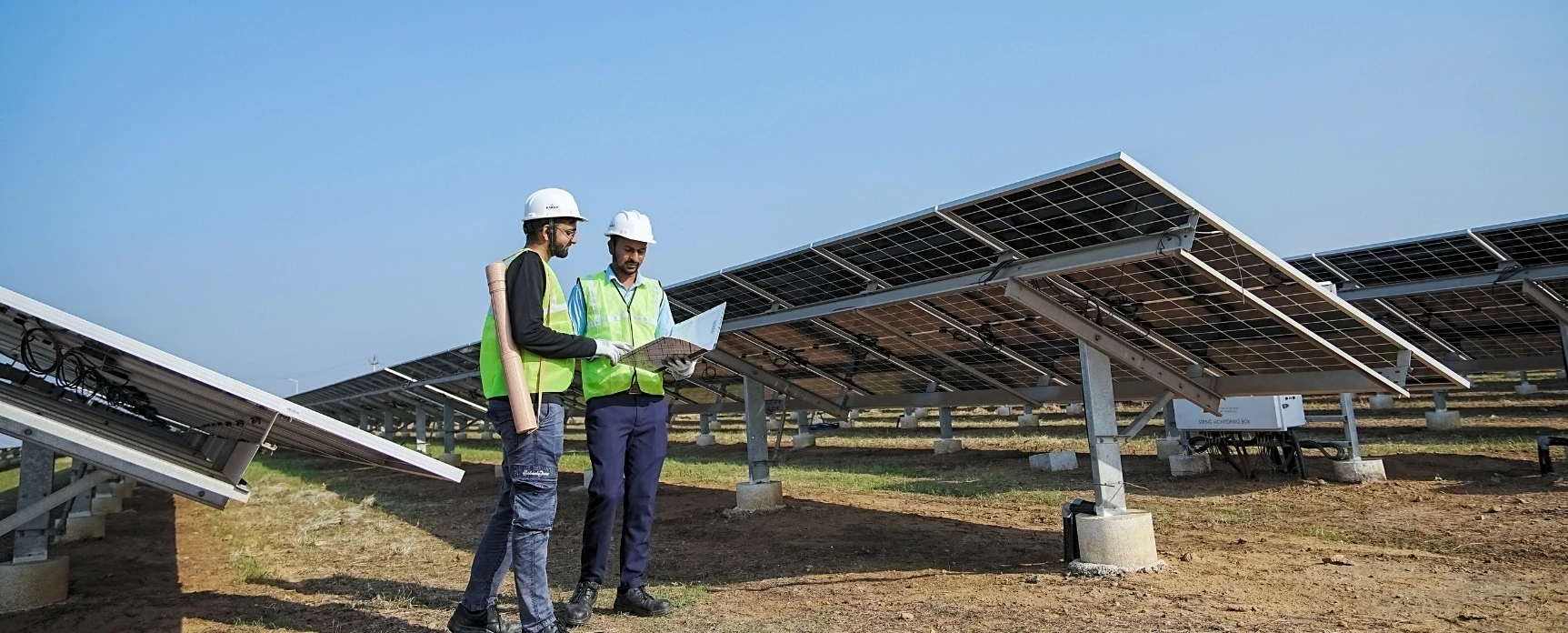
Technical advances alone cannot provide all the solutions. The engineering discipline of the equipment, along with commissioning procedure and ongoing maintenance plan, plays an important role in determining the difference between the expected performance capability and the actual output.
Learning from Real Projects on Real Land
At Green Revolution Powerpark, projects are not designed on paper alone. They are shaped by land conditions, transmission constraints, and the realities of industrial timelines.
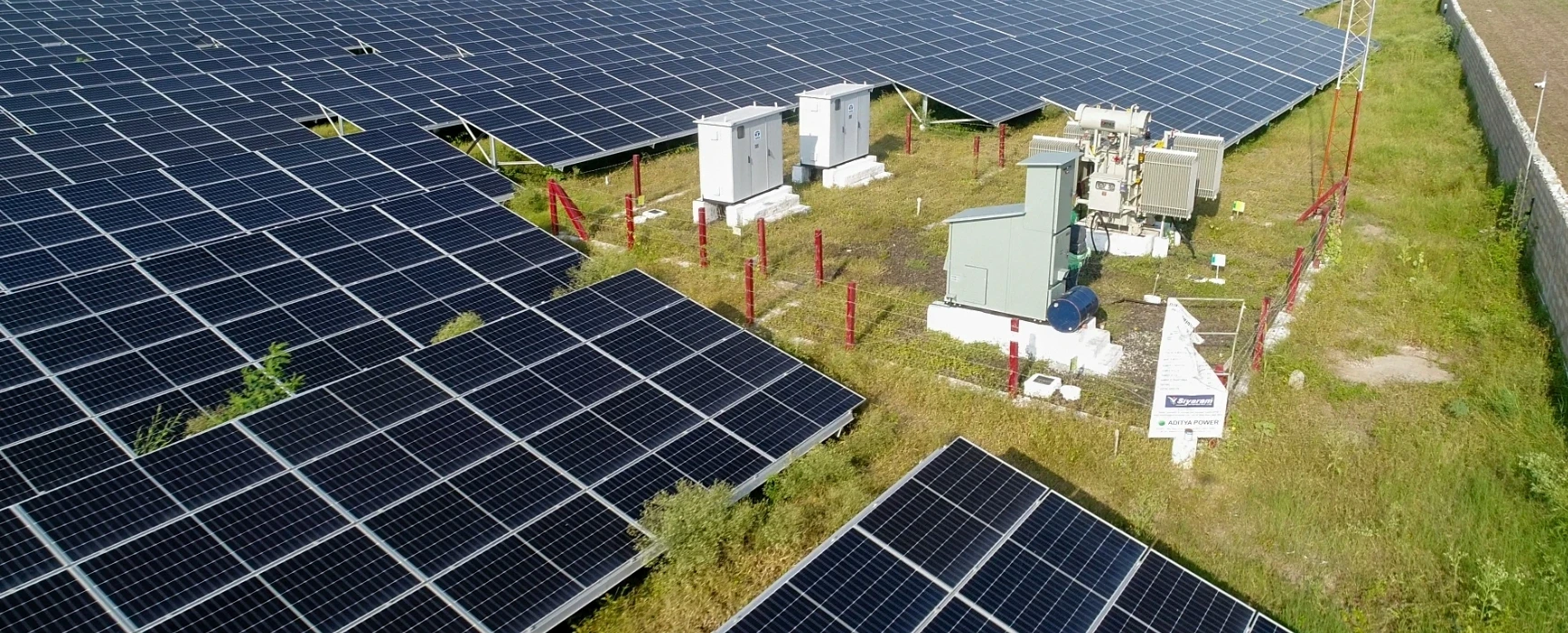
One example is a large solar installation developed on land that required extensive groundwork before construction could even begin. Soil conditions, monsoon access, and transmission alignment all influenced design choices. The result was a plant engineered to suit the site, not force the site to suit a template.
Another project involved coordinating solar power generation over long distances while maintaining construction schedules. The challenges experienced under typical Indian conditions cannot be assumed to exist without actual experiential knowledge to support such assumptions.
The simple fact is that when it comes to achieving solar energy success through photovoltaic panels, there is just as much emphasis placed on appropriate groundwork and planning as is placed upon the performance of the panels.
Factors of risk, risk consideration, and practical guidance:
Solar energy production is not without risk! Industries should approach projects with clarity rather than optimism alone.
Key considerations include:
Land quality and long-term access
Grid connectivity and evacuation readiness
Performance expectations versus realistic output
Long-term operations and maintenance planning
Understanding terms like capacity utilization factor and performance ratio helps, but what matters more is how these metrics are achieved in practice.
A well-executed solar plant should quietly do its job for years. If it needs constant attention, something went wrong early on.
Looking Ahead
The future of renewable solar energy in India will be shaped less by announcements and more by execution quality. As more industries adopt solar, expectations will rise. Projects will be judged on reliability, not promises.
Solar will not solve every energy challenge. But when planned honestly and built carefully, it offers industries a rare combination of stability, responsibility, and control.
For businesses thinking about long-term energy planning, the question is no longer whether solar fits. It is whether the project has been thought through deeply enough to last.
That distinction matters.