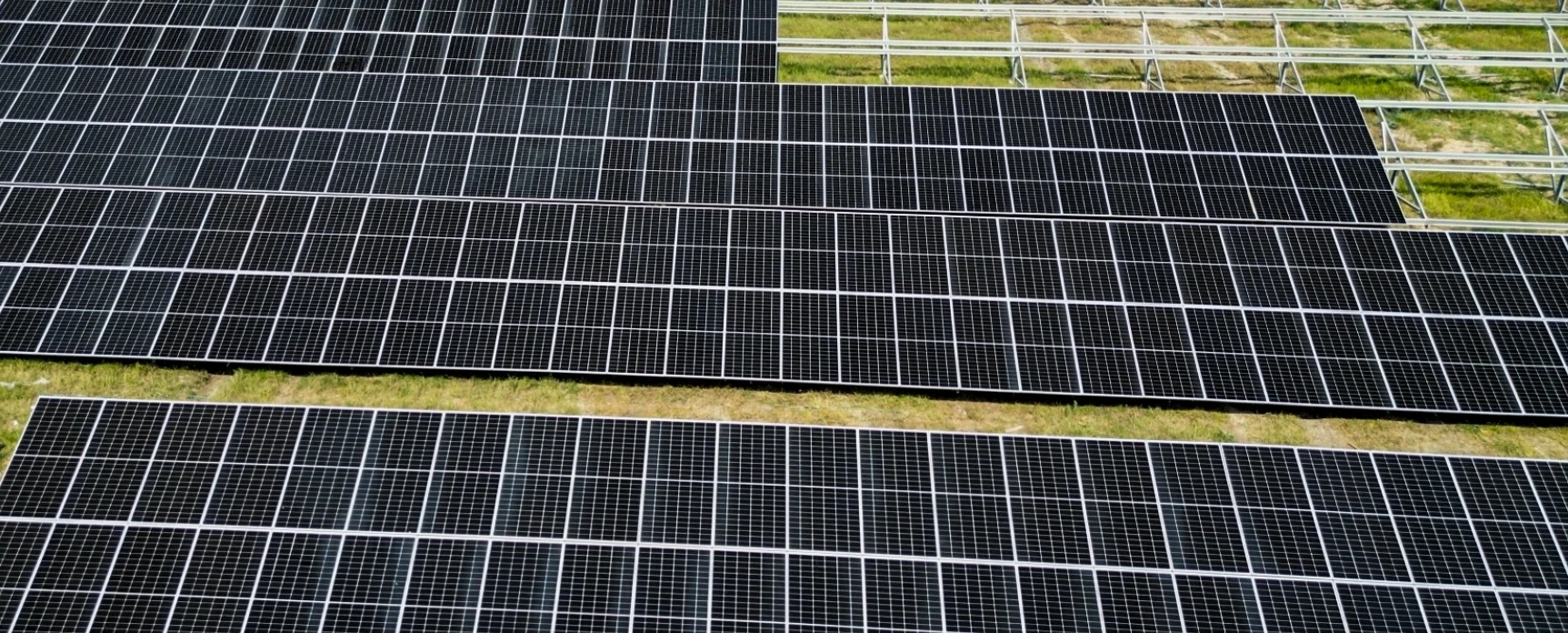
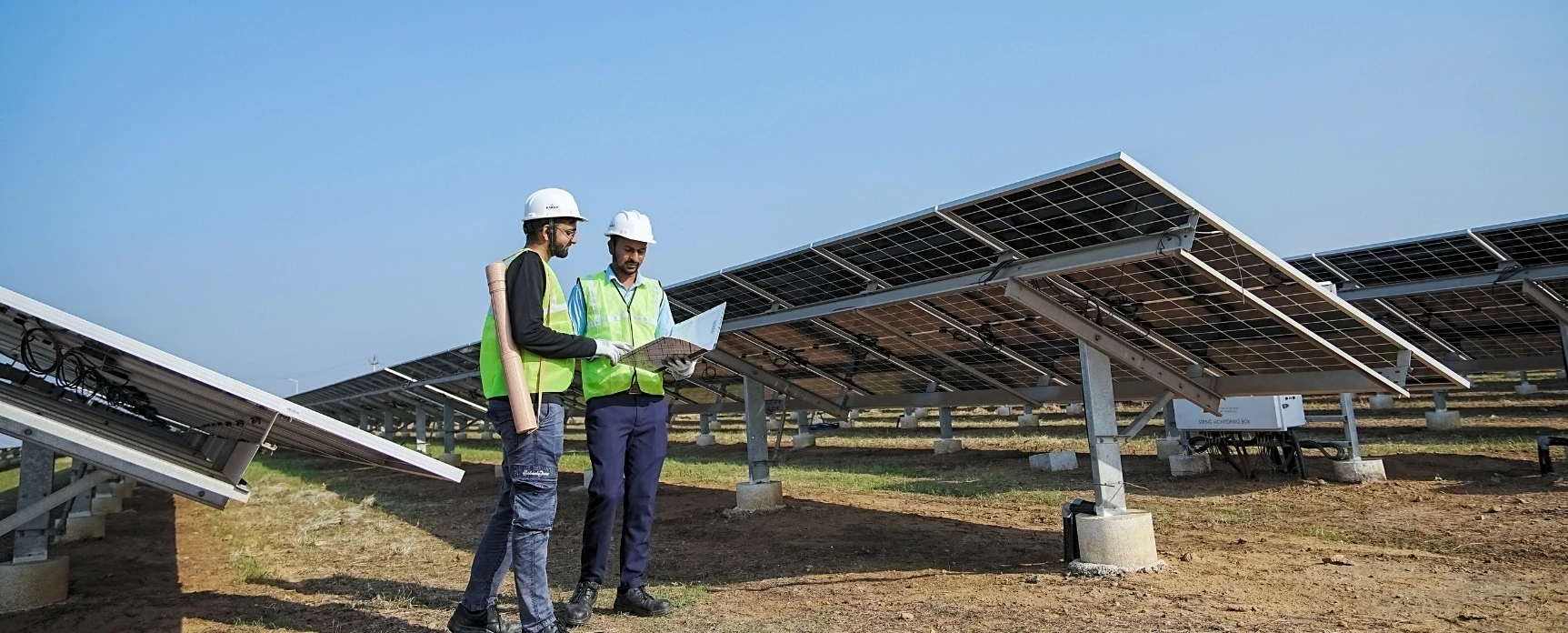
How AI & Smart Monitoring Are Transforming Solar Power Plants
Since solar plants needed to demonstrate their power generation capabilities, various industries spent numerous years assessing their ability to produce electricity.
The discussion has now reached a new point. The main inquiry requires us to assess present performance while predicting future potential issues.
The current-day solar power plant design encompasses more than its essential components, which include steel structures, panels, and cables. The system operates as a hidden data system. The system produces data every second through its components, which include inverters, strings, weather sensors, and grid interfaces. The plant performance improves through proper information usage, which also assists in loss prevention and equipment lifespan extension.
Artificial intelligence, together with advanced monitoring technologies start to transform solar energy operations throughout India.
Factories that previously evaluated generation reports during monthly assessments now possess the capability to monitor their entire production process in real time.
The situation gets entirely transformed through this development.
What Role Does AI Play in Modern Solar Power Plants?
The main function of AI systems used in solar power plants enables operators to transform their operational data into specific decisions. The typical utility-scale solar power plant in India generates multiple data streams with thousands of data points each minute. The information remains dormant because it requires intelligent assessment for its utilization.
AI-based systems help interpret this data. Human observers typically miss the patterns that these systems can identify through their detection capabilities.
Small efficiency drops in specific panel strings
Inverter behaviour that signals future faults
Weather-driven performance variations
Through AI based solar analytics, operators can identify problems early and correct them before they affect generation.
For industrial energy users, this matters because the economics of solar depend heavily on long-term performance.
If a plant runs even a few percentage points below expected output, the financial impact over twenty years becomes significant.
The AI system safeguards its performance through its protective capabilities. The system protects clean energy automation because it enables power plants to move from their current manual inspection process toward automated digital control operations.
Smart Monitoring Systems: Real-Time Performance Tracking & Alerts
Solar power plants now use smart monitoring systems as their primary method for tracking solar operations performance.
Operators used to depend on scheduled maintenance checks together with monthly progress documentation. However, contemporary solar power plants implement ongoing surveillance through their sophisticated digital monitoring systems.
Smart monitoring in solar power plants typically collects information from:
Inverters
String monitoring devices
Weather stations
Energy meters
Grid interfaces
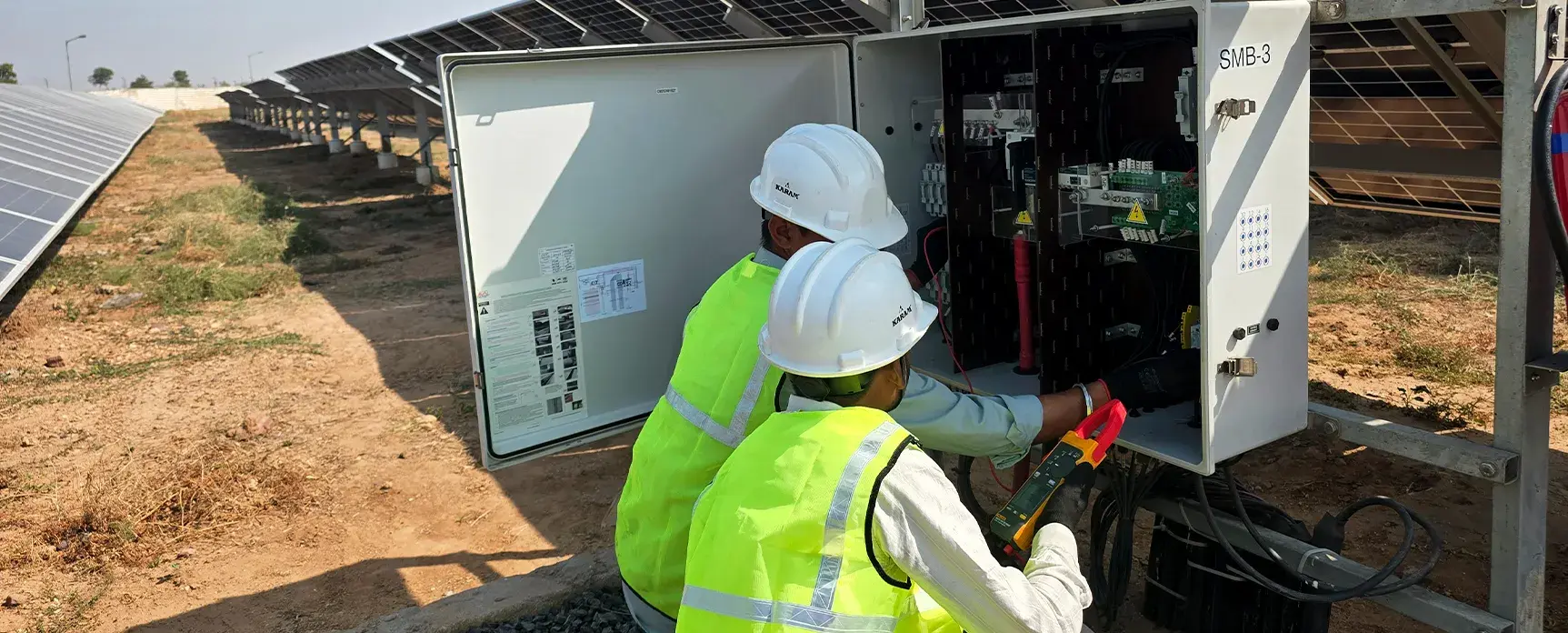
These data points feed into a solar energy monitoring system, often integrated with a SCADA system for solar power plant operations.
This system enables solar plant performance monitoring in real time. Plant operators can instantly detect:
Module-level underperformance
Inverter trips
Grid interruptions
Temperature or voltage anomalies
Teams receive alerts about problems that they need to solve within a few minutes instead of waiting for days to find the solution. Operational efficiency improves through this type of visibility because industrial operations experience high electricity expenses and costly equipment shutdowns.
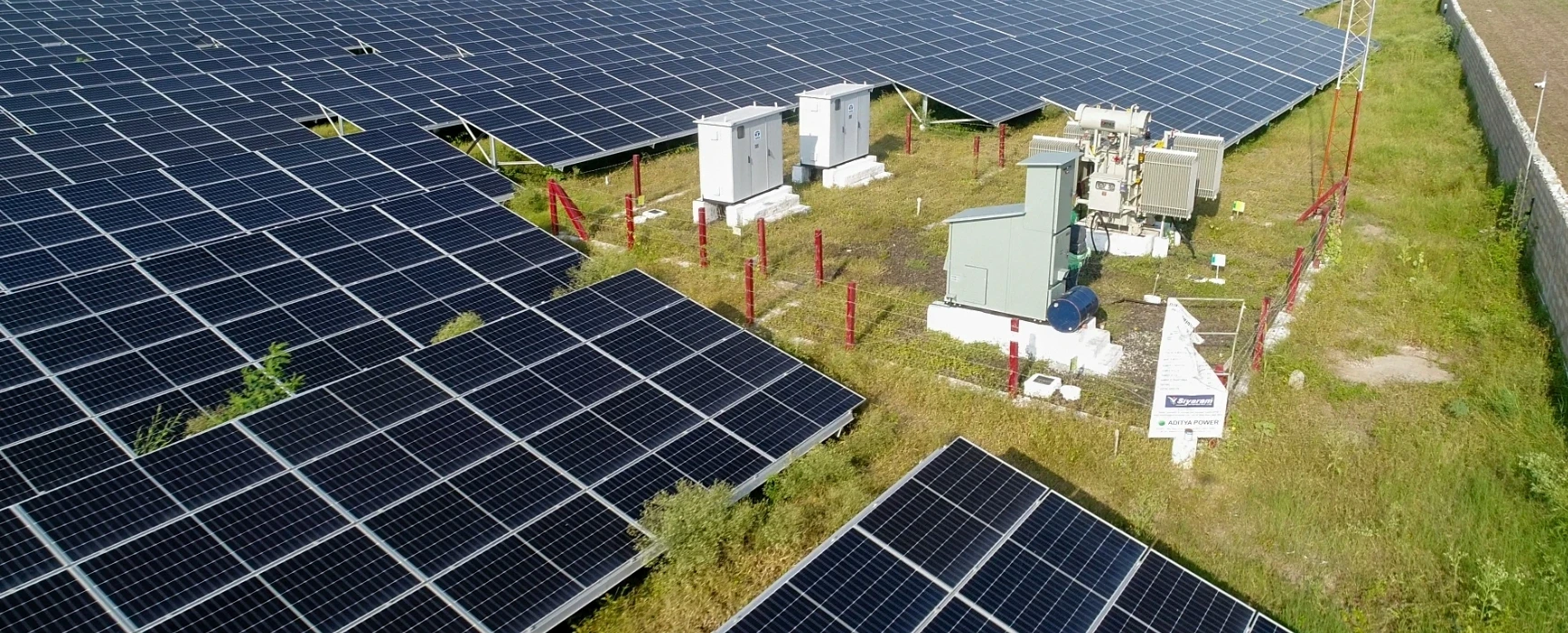
The Siyaram Vitrified Pvt. Ltd. 3 MW solar plant in Jamnagar generates about 5.1 million units each year because of its efficient solar panels and ideal solar conditions. The system achieves consistent yearly performance through monitoring, which tracks its operations. The system will experience output reduction through monitoring because every little issue can decrease performance.
Predictive Maintenance Using AI to Reduce Downtime & Costs
Maintenance used to be reactive. Something failed. Then engineers fixed it. That model is slowly changing with predictive maintenance solar plant strategies.
Using AI in solar power plants, monitoring platforms analyse historical equipment behaviour and predict potential failures. These systems can identify patterns such as:
Inverters showing early signs of overheating
Panels degrading faster than expected
Wiring faults developing in specific sections
Instead of waiting for equipment to fail, maintenance teams receive early warnings. This approach improves solar operations and maintenance in two important ways:
1. Lower maintenance costs
Unplanned repairs often involve urgent labour, spare parts, and lost generation. Predictive maintenance helps avoid these expensive surprises.
2. Higher plant availability
If faults are fixed early, plants spend less time offline. In large industrial plants, even a few hours of downtime can mean thousands of units of lost generation.
AI-powered fault detection systems help prevent that.
Improving Energy Output with Data Analytics & Performance Optimization
Generating solar power is not only about installing panels. It is also about ensuring they perform consistently over time.
Advanced AI based solar analytics and IoT in solar energy allow operators to study plant behaviour in much greater detail.
For instance, analytics platforms can evaluate:
Module temperature vs generation output
Seasonal weather patterns
Dust accumulation impacts
Inverter efficiency trends
These insights allow engineers to make practical improvements.
For example:
Adjusting inverter operating parameters
Optimizing cleaning schedules
Identifying shading issues early
The result is better sustainable power generation from the same installed capacity. In large facilities, even a 1-2% performance improvement can translate into millions of additional units over the plant’s lifetime.
And this is where modern smart energy systems start to prove their value. They turn operational data into measurable financial gains.
How Top Solar EPC Companies in India Are Integrating AI into Projects
The role of EPC contractors is also evolving. Earlier, solar EPC services focused mainly on engineering, procurement, and construction. Once the plant was commissioned, monitoring systems were often treated as secondary.
Today, many solar EPC companies in India are designing plants with integrated digital infrastructure from the beginning.
This includes:
Advanced solar plant monitoring system architecture
SCADA integration for centralized plant control
Data platforms for performance analysis
Automated solar power plant automation features
The systems guarantee plants achieve efficient operations from their initial operational period. The 22.4 MW Chitrapatang (Kidi) solar facility in Gujarat produces 38.08 million electricity units each year, which decreases carbon emissions and boosts industrial energy reliability.
Projects of this scale depend heavily on strong monitoring and data analysis to maintain performance across thousands of modules.
This shift is one reason businesses evaluating the best solar EPC companies in India now look beyond installation capability.
They also ask:
How will the plant be monitored?
How will performance be maintained over twenty years?
What digital tools support long-term operations?
The installation of panels marks only the start of the installation process.
The Future Trends of AI Automation and Digital Twins will shape Solar Power Plants.
Solar technology keeps advancing while digital tools become essential for plant management operations.
The global industry currently shows multiple emerging trends that identify themselves as the principal direction for the future.
Digital twins for plant simulation:
Engineers can use the digital twin to test system performance across various weather patterns, equipment deterioration, and grid operation changes.
Deeper integration of IoT:
The solar energy sector will see increased sensor deployment across its facilities. The sensors will gather detailed operational information, which will be transmitted to advanced monitoring systems.
Automated decision systems enable machines to make choices without requiring people to control their operations.
Automated decision systems:
The future of solar power plant automation will include automated processes that require only basic human supervision.
The system will use current information to change its inverter settings, cleaning times, and energy distribution methods.
The organization aims to achieve three objectives, which include creating generation systems that produce reliable energy while decreasing operational dangers and improving energy production costs.
A Quiet Shift in How Solar Plants Are Run
Across India, solar plants are quietly becoming more intelligent.
Panels still capture sunlight. Inverters still convert electricity. But behind the scenes, software now watches every component.
AI, monitoring platforms, and digital analytics are changing how solar plants are maintained, optimized, and managed.
For industrial energy users, this shift offers something valuable.
Not just clean power. But predictable, measurable, well-managed power. The companies building these plants are adapting too.
Some top solar EPC companies in India now treat monitoring, analytics, and long-term plant performance as core parts of their engineering approach. Because the future of solar is understanding the electricity rather than just the generation.