How Solar EPC Companies in Gujarat Optimize ROI for Industrial Plants
The cost of electricity now ranks as the most significant factor that affects industrial economic performance. Energy expenses for factories have evolved into a major business expense that affects their entire production process, market position, and future operations.
Plant managers within Gujarat's manufacturing corridors are beginning to investigate an essential question: "If energy expenses rank as one of our biggest operational expenses, why don't we generate some of our energy requirements ourselves?"
The most effective solution for this problem has become solar power. The material proves its worth through its current numerical evidence, not because of contemporary trends. The industrial solar power plant, which designers construct through proper planning, enables businesses to reduce their operational expenses while they pursue their goals of environmental sustainability.
Financial performance of solar energy projects depends on multiple factors that exist beyond solar panel installation and solar radiation availability. The success of the project depends on its design, engineering, installation, and operational processes. The EPC partner carries the main responsibility for this assignment.
What Role Do Solar EPC Companies in Gujarat Play in Industrial Projects?
The process of establishing an industrial solar project requires more than just basic installation work. It requires engineering design work, complete regulatory compliance, assessment of land resources, development of electrical systems, and creation of plans for future performance evaluation.
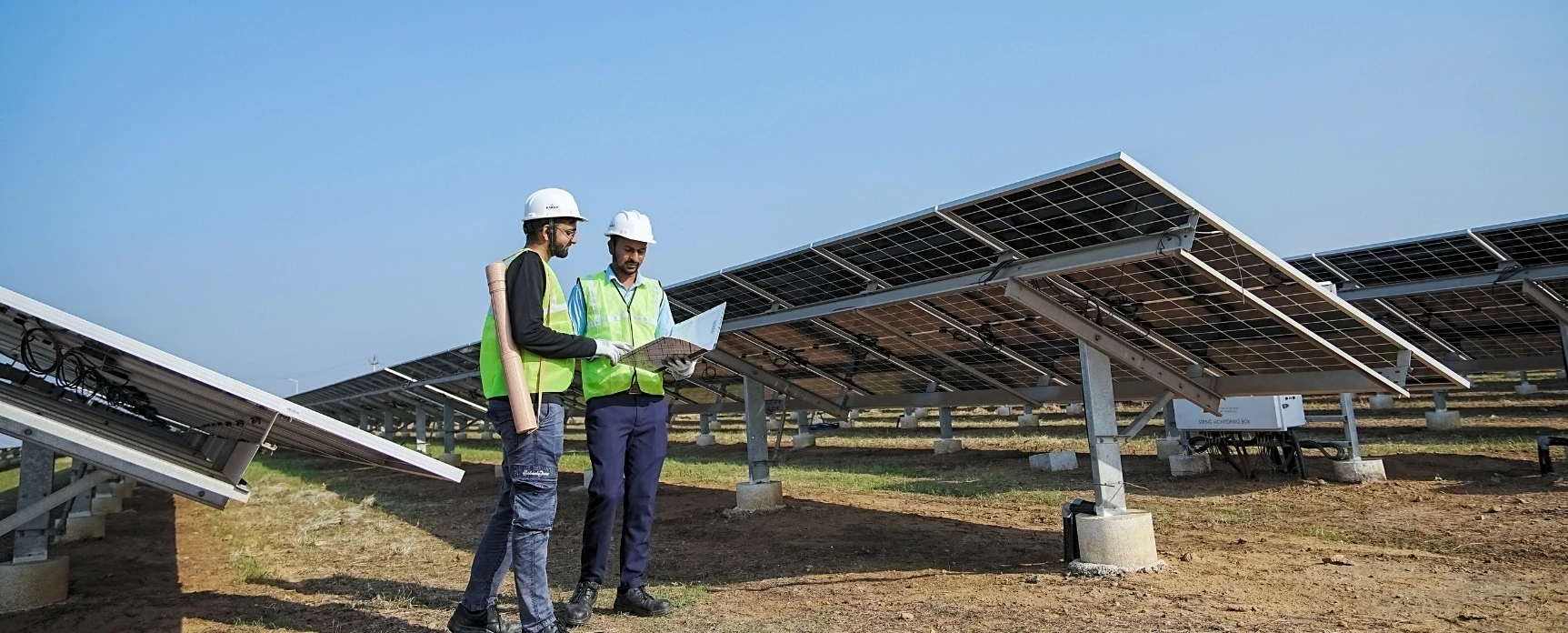
This is where solar EPC companies in Gujarat step in. The EPC partner maintains control over all project phases from inception to completion.
Engineering: The team creates the physical design of the plant together with its complete electrical system, which includes all required power capacity specifications.
Procurement: The team selects all required components for the project, which include modules and inverters as well as structural elements and electrical items.
Construction: The team executes all necessary civil construction activities while establishing mounting frameworks, installing electrical systems, and building the plant.
Commissioning: The team evaluates the system and establishes its operational connection to the power grid.
The EPC partner takes on the role of the EPC contractor, who oversees all solar power plant development work from initial design until final operational testing.
Industrial clients often prefer this structure because it reduces coordination complexity. They chose one supplier who provides solar EPC services in Gujarat through a single combined responsibility system. The established structure brings essential benefits to factories that experience high costs during production downtime.
How Ground-Mounted Solar Plants Maximize Energy Output and Savings
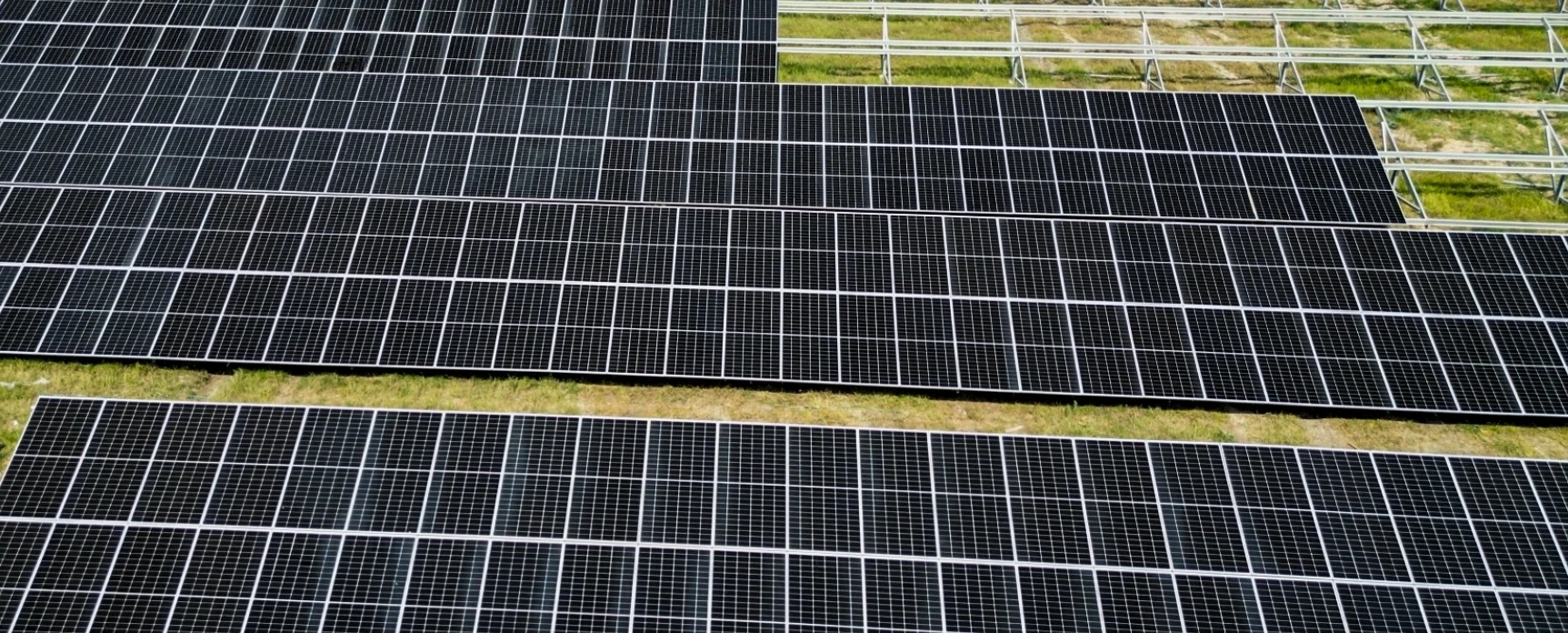
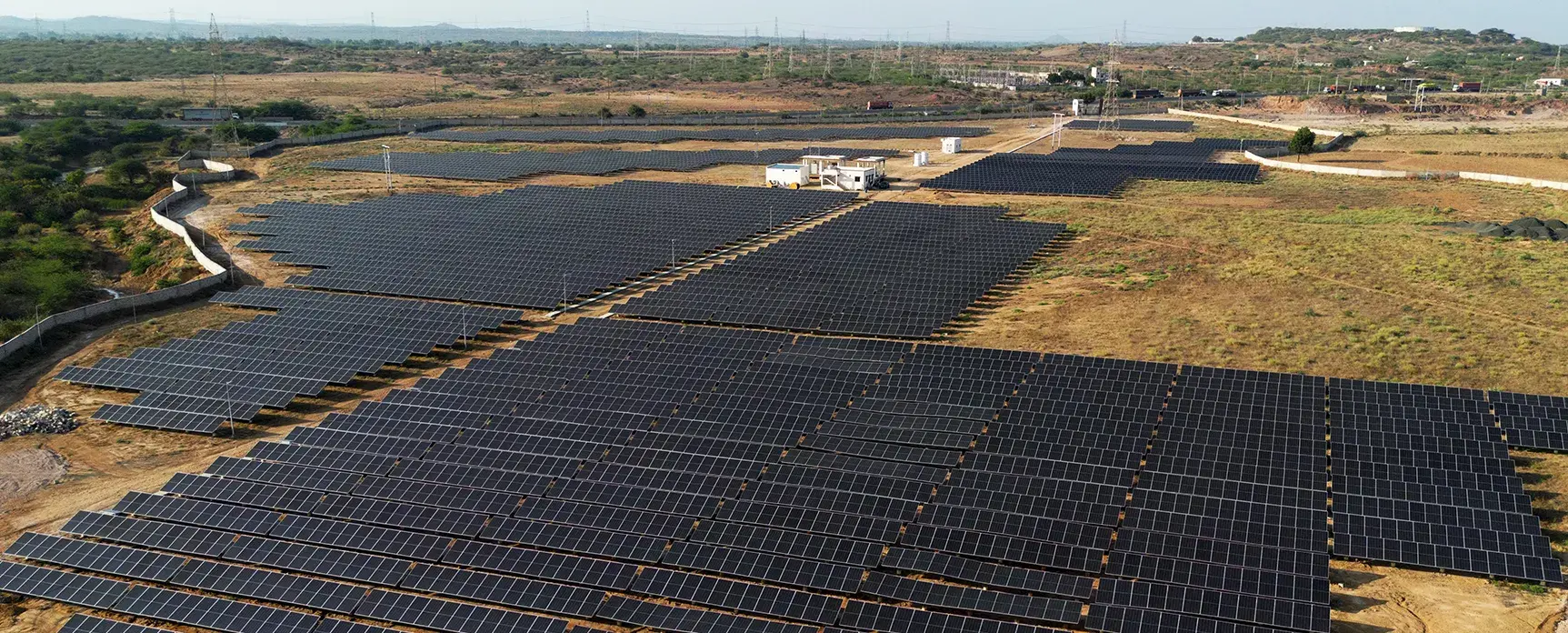
The optimal solar energy solution for most industrial facilities consists of constructing a ground mounted solar plant on adjacent property.
Engineers can create plant designs that achieve maximum solar energy collection through ground installations because they provide more flexibility than the restricted areas inside factories.
The advantages of a well-designed ground mounted solar power plant for industry include multiple benefits.
Better orientation and spacing: Panels can be positioned to capture maximum sunlight across seasons.
Higher generation capacity: Larger layouts allow higher plant sizes compared to limited spaces.
Technicians can inspect and service modules through maintenance access which enables them to reach the system components.
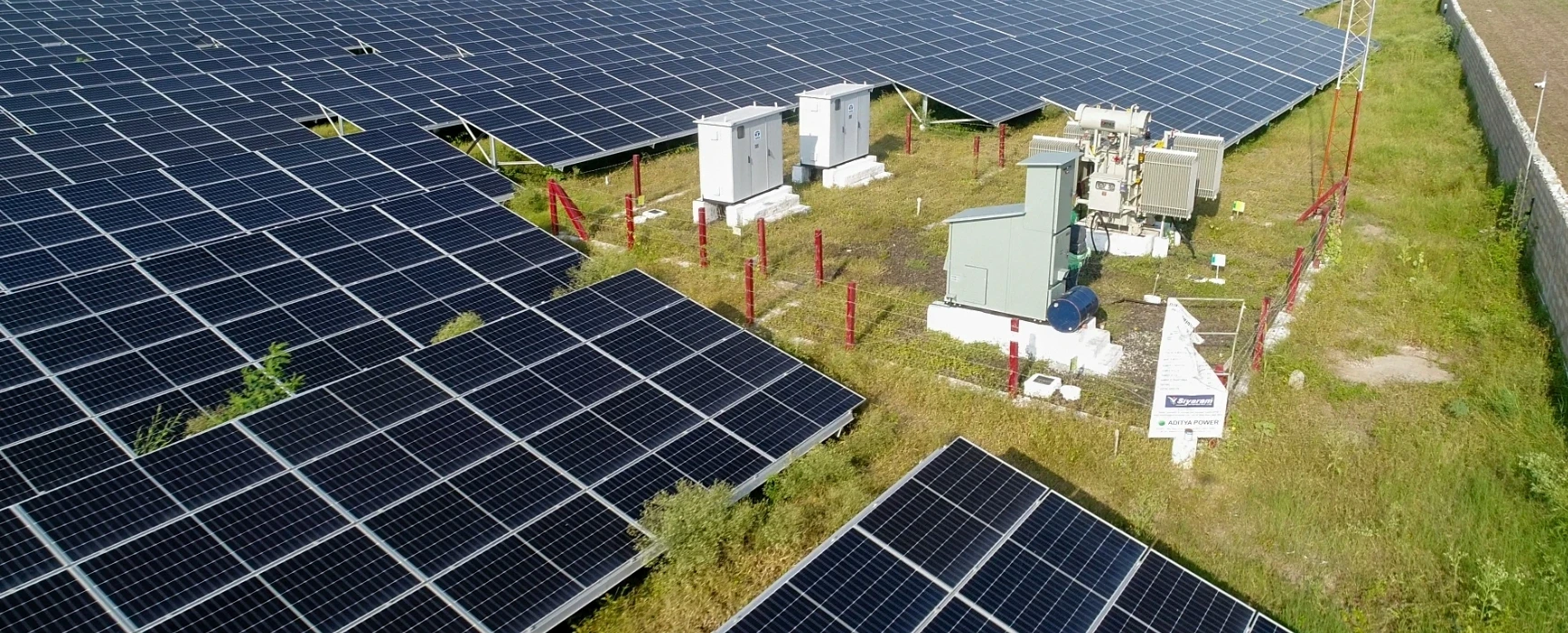
The better equipment placement and cabling design lead to improved system reliability.
The electricity generated during daylight hours directly offsets grid consumption for industries with stable daytime power needs. The result of this process leads to substantial financial savings.
Financial success requires more than energy generation because companies need to establish their profitability. Industries want to know about return on investment evaluation.
Cost Breakdown and ROI Calculations for Industrial Solar Projects
Companies decide on their industrial solar projects by evaluating three essential elements: project cost, energy savings, and payback period.
The plant capital cost depends upon the following elements.
Project size
Module and inverter quality
Land preparation and civil work
Transmission connectivity
Engineering complexity
A capable solar power plant installation company helps industries understand these cost drivers early in the planning phase.
In many industrial projects, payback periods fall between four and six years, depending on plant size and electricity tariffs. But ROI does not come only from lower power bills.
Additional financial advantages include:
Reduced exposure to tariff increases
Predictable long-term electricity costs
Potential accelerated depreciation benefits
Lower operational risk during grid supply fluctuations
An experienced EPC contractor for solar power plant focuses heavily on these financial mechanics. A plant that looks inexpensive during procurement but performs poorly for twenty years is rarely a good investment. That is why engineering quality matters as much as equipment quality.
Why Turnkey EPC Execution Reduces Risk
Industrial projects often fail not because the technology is wrong, but because coordination breaks down between multiple vendors.
A turnkey solar EPC model simplifies execution. Under this structure, one partner manages the entire delivery chain. The client receives a functioning system instead of managing separate engineering firms, equipment suppliers, and contractors.
Well-executed turnkey solar solutions typically deliver:
Faster project timelines
Clear accountability for performance
Lower coordination overhead for industrial teams
Better integration between civil, electrical, and control systems
Factories operating 24/7 rarely have the bandwidth to supervise multiple contractors. A structured industrial solar installation company removes that burden by managing the project end-to-end.
The difference becomes visible during construction and commissioning.
Smart Monitoring and O&M Keep Plants Performing for Decades
Solar plants are long-life infrastructure. Most systems are expected to operate for more than twenty-five years.
However, their financial success depends on consistent generation. That is why post-installation management is critical.
A responsible solar plant company does not stop work after installation. It continues supporting the plant through monitoring, inspection, and maintenance.
Key activities include:
Performance monitoring systems: Track generation and identify anomalies quickly.
Preventive maintenance schedules: Cleaning, electrical inspection, and inverter servicing.
Rapid fault response: Reducing downtime when issues occur.
Performance analytics: Improving long-term generation trends.
These activities fall under solar farm operations and maintenance programs. When done properly, they support plant performance optimization, ensuring the plant consistently delivers the energy output originally projected during design.
This is where experienced teams differentiate themselves from inexperienced installers.
Government Policies and Incentives That Strengthen ROI
Policy frameworks also play a major role in solar economics. Gujarat has historically been one of India’s more supportive states for renewable energy deployment. Industrial solar projects benefit from several regulatory structures designed to encourage adoption.
Key policy advantages may include:
Open access frameworks for large plants
Grid connectivity support
Accelerated depreciation provisions
State-level renewable promotion policies
However, regulatory procedures can still be complex. This is where experienced solar EPC contractors and regulatory specialists provide value. They help industries navigate approvals, compliance requirements, and interconnection procedures without delays.
Companies evaluating EPC partners often compare them not only locally but also against the best solar EPC companies in India to ensure project quality and long-term reliability.
Policy knowledge and execution capability often matter as much as engineering.
Why Industries Are Paying More Attention to EPC Expertise
As solar adoption grows, industrial decision-makers are becoming more selective about EPC partners. It is no longer enough for a contractor to simply install panels.
Factories now expect EPC partners to understand:
Electrical integration with industrial loads
Long-term energy economics
Regulatory processes
Reliable solar commissioning practices
Operational performance management
This shift is why the role of solar EPC companies in Gujarat is evolving from installers to long-term infrastructure partners.
Industrial energy decisions are rarely short-term. A solar plant may operate for decades. The EPC partner involved in its design and execution inevitably shapes its financial outcome.
A Quiet Shift in Industrial Energy Thinking
The energy planning process in Gujarat industrial operations has progressed from reactive decision-making toward establishing permanent strategic methods. Manufacturing plants now assess their energy systems with equal importance as they do to their production efficiency. Solar projects are becoming part of that conversation.
A solar plant generates electricity but also provides additional benefits when developed through proper methods. The system helps to keep operational expenses steady while decreasing future uncertainties and enhancing environmental responsibility.
The industries that benefit most are usually the ones that approach solar thoughtfully, partner with capable EPC teams, and treat energy not as a fixed expense but as a strategic asset.
The project transforms into a future strategic benefit because all solar installation elements combine to create greater value.